
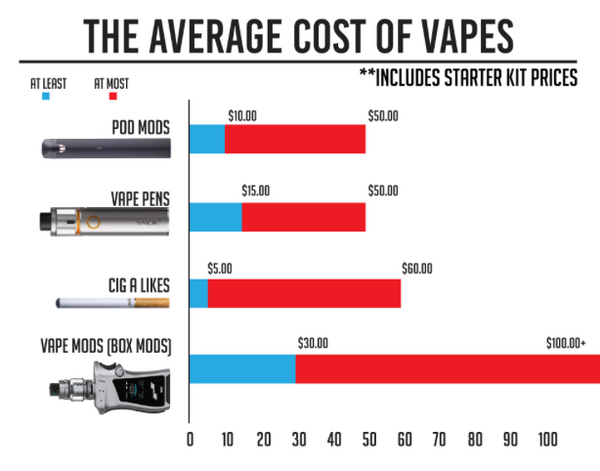
Most people pay a massive premium just to be lazy. They walk into the nearest gas station, pay double for a disposable, and walk out thinking they got a fair deal. They didn’t. The price gap between a local convenience store and a dedicated online specialist is actually enough to buy a whole new kit if you shop with a bit of cynicism.
The market is a mess. You’ve got massive wholesalers, boutique shops, and those annoying corner stores trying to act like real retailers. Because the industry moves so fast, prices swing wildly based on whether a shop is clearing inventory or launching something new. If you aren’t actively hunting for a deal, you’re basically just subsidizing the shop owner’s vacation.
We’ve seen users spend forty dollars on a setup that was on sale for twenty-two elsewhere just because they wanted it “now.” Convenience is a tax. It’s a tax that most vapers pay without even realizing they’re being fleeced. If you want to stop being the person who pays the “I need it this second” tax, you have to change how you buy things.
The Math Behind Your Daily Clouds
Let’s look at the numbers. The cost of vaping isn’t just the device; it’s the maintenance. If you buy e-liquids, the price per milliliter varies wildly between a big-box retailer and a niche shop. A single bottle of premium juice can cost you five dollars more at a local shop than it would if you bought it through a wholesale-adjacent site.
Then there is the hardware. A mid-range pod system might cost you $30 today and $45 next month because a new version was announced. If you aren’t checking a https://vaposearch.com/ to see where the current market floor sits, you’re throwing money into the wind. It’s simple math, but people struggle with it because they hate the research part.
The math gets even weirder when you look at the sheer volume of options. There are too many brands to track manually. One week, a certain brand of disposable is everywhere; the next, it’s being phased out and cleared at a massive discount. You need to track the movement, not just the product.
The Hardware Disparity
Hardware is where the real money is lost. A high-end dry herb vaporizer is a big investment. You might spend $200 on a piece of kit that you expect to last years. If you buy that through a site that doesn’t specialize in those specific units, you’re likely losing 15% to 20% of your value right out of the gate.
We found that Vapospy helps you save money by focusing specifically on finding the best prices on dry herb vaporizers and related gear. They have been at it since 2016, which is a lifetime in this industry. They don’t try to sell you everything; they just make sure you don’t overpay for the high-end stuff.
It’s a different game than buying disposables. With disposables, you’re buying a consumable. With vaporizers, you’re buying an appliance. The price sensitivity is much higher because the initial hit to your wallet is much larger.
The Data Problem in the Vape Industry
How do you actually find the best price when there are thousands of vendors? Most people just Google “best vape shop” and click the first result. That’s a mistake. The first result is usually an ad, and ads are designed to make you buy, not to show you the lowest price. They want your immediate attention, not your long-term loyalty.
If you want to be smart, look at the aggregators. These are the sites that do the heavy lifting by scraping data from dozens of different retailers. They don’t care about the brand; they only care about the number next to the price tag. This is where the real savings are.
A massive example of this is the scale of modern comparison tools. For instance, Vapochecker compares over 970 vaporizer models from 210+ brands across 320+ shops in 50 countries. They handle about 40,000 price updates every single day. When you realize that scale, you realize how impossible it is to find a deal manually without a tool like that.
Is it worth the extra five minutes of browsing? Absolutely. If a tool is checking 40,000 updates daily, it is seeing price shifts you would never notice on your own. You might think you’re getting a deal on a kit, but the aggregator knows that the kit is actually on clearance three sites away.
| Method | Effort | Accuracy | Potential Savings |
|---|---|---|---|
| Gas Station | Very Low | Zero | Negative (You pay more) |
| Local Vape Shop | Low | Low | Minimal |
| Manual Online Search | High | Medium | Moderate |
| Price Comparison Site | Low | High | Maximum |
The Specialized vs. Generalist Debate
Not all online shops are created equal. Some are generalists that try to carry everything from nicotine salts to heavy-duty mods. Others are specialists that focus on one niche, like disposables or high-end dry herb vaporizers. You need to know which one you’re dealing with before you hit checkout.
If you’re looking for disposables, e-liquids, or kits, you might find better luck with a site like PerfectVape, which offers wholesale price match rewards. They’re built for the volume buyer. If you’re a casual user who buys one bottle of juice a month, their model might not matter to you, but if you’re stocking up, it is a factor.
On the other side, you have the specialists. Some people on Reddit suggest that while Elementvape is the “all-around best” for hardware, you should also keep an eye on Eightvape or Vapordna for their promotional emails. This is a pro tip: the best deals often don’t live on the main storefront; they live in the inbox of a newsletter that you actually bother to read.
Finding Your Niche
If you want the “best” shop, you have to define what “best” means to you. Does it mean the fastest shipping? The widest selection? Or the absolute lowest price per milliliter? Because these three goals are often in conflict, you can’t have all of them at once.
For example, ECigMafia targets the “cheap price” demographic specifically. They aim to be the go-to for premium products at low costs. They aren’t trying to be a luxury boutique; they’re trying to be the volume leader. If you want the cheapest e-liquid, that’s where you look. If you want a boutique experience, you’ll likely pay more for it.
Then there are US-based companies like ProVape. They focus on authenticity. There is a massive market for “fakes” in the vaping world, counterfeit pods and juices that are not only useless but potentially dangerous. For some users, paying a slightly higher price to ensure the hardware is authentic is worth the extra few dollars. They’d rather pay $5 more than risk a battery failure or a tainted coil.
The Trap of the “Quick Fix” Disposable
The rise of disposables has fundamentally changed how people shop. A disposable is a convenience product. It’s designed to be used and thrown away. Because of this, the pricing model is completely different from traditional vaping. You aren’t buying a device; you’re buying a single-use experience.
The temptation to just grab a disposable when you run out is huge. It’s easier than cleaning a tank or changing a coil. But that ease comes at a cost. The price per puff on a disposable is significantly higher than the price per puff of a refillable system. If you’re a heavy user, you’re essentially throwing money into a trash can every single week.
It’s a cycle the industry relies on. They make the disposables convenient and the refillable systems slightly more complicated. They want you to choose the path of least resistance. But if you look at the math, the path of least resistance is also the most expensive way to operate. It’s a classic psychological trick used in almost every consumer industry, from coffee to printer ink.
The smart money stays with the hardware. Even if the initial setup is annoying, the long-term cost of ownership is much lower. If you can master the art of the refill, you will eventually realize that you have been overpaying for the “convenience” of disposables for years. The transition is annoying for a week, but your wallet will feel the difference in a month.
The market will continue to fragment as new regulations hit, making the hunt for the best price even more necessary.
FAQ
What's the cheapest vape on the market?
The most cost-effective options are typically disposable vapes or refillable pod systems, though prices vary significantly based on nicotine strength and brand.
Are vapes cheaper at a vape shop or gas station?
Vape shops generally offer better value through bulk discounts and refillable options, whereas gas stations are often more expensive for convenience items.
Is 20 puffs of vape a day a lot?
While usage varies by individual, frequent daily puffing increases nicotine dependency and long-term health risks regardless of the specific count.
Can lungs heal after 7 years of vaping?
While the body has significant regenerative capabilities, long-term damage from seven years of vaping may lead to permanent changes in lung function.
How can I find the best deals on e-liquids?
Using a price comparison service allows you to track unit prices across multiple retailers to ensure you are getting the lowest cost per milliliter.